AI DESIGN SPRINT
The AI Design Sprint is a structured 5-phase process that guides your team from "We should do something with AI" to a validated concept and running prototype - built by your
own team, without external developers, without programming skills.
Limited sprint spots available in Q2 2026.
No sales pitch. 30 minutes, no commitment.
83 %
of German companies see AI as an opportunity
Bitkom Research 2025
36 %
are already actively using AI. Two years ago it was 9%.
Bitkom Research 2025
bis 85 %
of AI projects fail due to lack of structure and strategy
kipreneur.de / Computer Weekly 2024
Sounds familiar
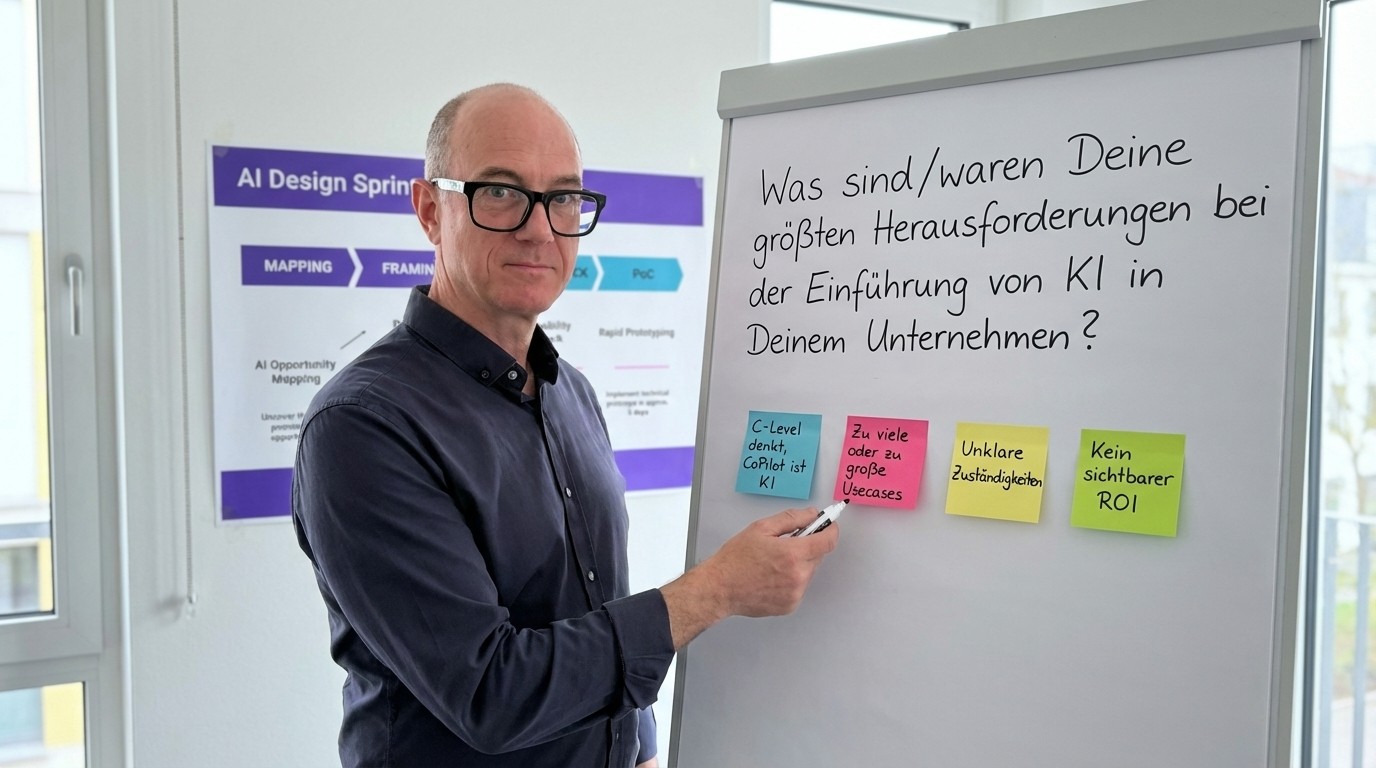
Most medium-sized companies face the same challenges when it comes to getting started with AI.
"We've paid external consultants and nothing to show for it."
Commissioning, presentation, done. No functioning result.
"We don't know where to start."
Lots of ideas, no prioritization. In the end, nothing happens.
"Our IT says the use case can't be implemented."
Without a structured feasibility check, much remains unclear.
"AI projects at our company always take years."
Without a clear framework, every initiative is delayed until it stalls.
"AI is for corporations, not for us."
This belief costs competitive advantages. The AI Design Sprint is specially developed for mid-market teams with no prior AI experience.
85% of AI projects rarely fail because of the technology.
They fail because the wrong problem is solved, users are not involved and assumptions about data remain unchecked. The AI Design Sprint is built to avoid exactly these three mistakes in 5 days, before a single euro is spent on development.
Quelle: kipreneur.de / Computer Weekly DE, 2024
What is the AI Design Sprint?
In 5 phases, your team goes from idea to running prototype, without
external developers, without programming knowledge. Whoever builds the prototype understands it. And those who understand it can champion it internally.

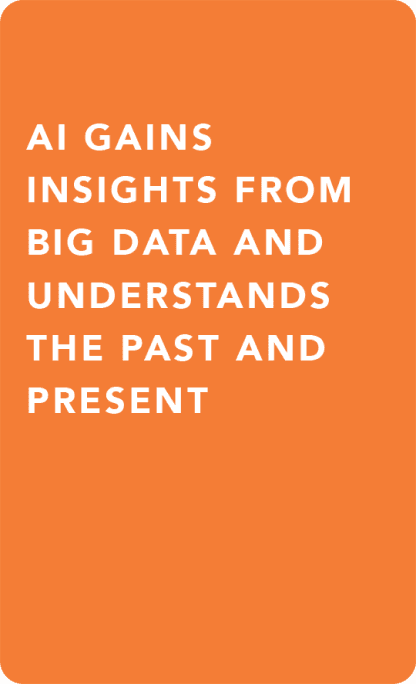

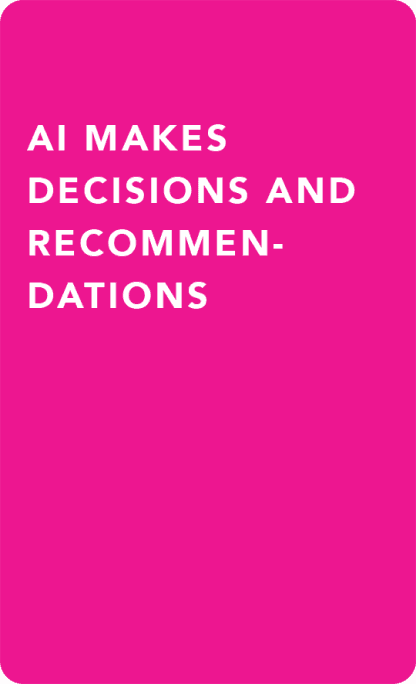


AI capabilities in business language. No prior technical knowledge required.
The process
Each phase has a defined deliverable. No shooting in the dark. Enter the sprint at the best point for you.
Entry option: Opportunity Mapping
0.5 – 1 day · C-Suite or upper management
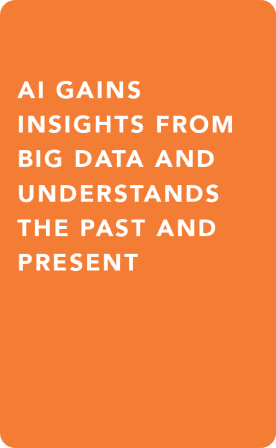
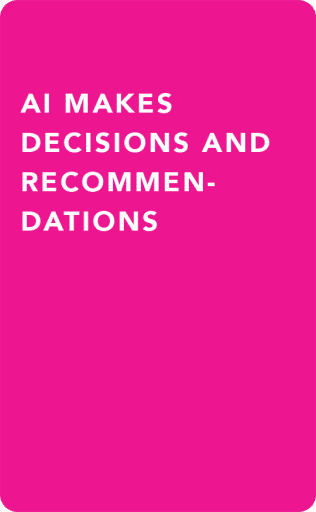
With AI cards that translate AI capabilities into business language, management and senior decision-makers identify which business areas are suitable for AI. No prior technical knowledge needed. Just a look at your own business.
Result: Focus area identified — a business unit prioritized for the sprint



Framing Workshop :Entry option
1 day · the responsible specialist team
The team working in the chosen area analyzes its own workflows, step by step, honestly and concretely. The workflows are prioritized. We then assign AI categories: What type of AI can be usefully applied at which point? The highest-rated workflow goes directly to step 3.
Result: Prioritized workflow with AI categories as the basis for the concept.
Entry option: Concept Development
2 days · specialist team
We go through the prioritized workflow step by step: Where does AI come in? What is the exact input, what is the output per step? What exactly does "the AI" do and where must a human intervene? The concept is not an overview it is the complete specification that makes building the POC possible in the first place.
TechCheck
0.5 days · Facilitator + 1 team member + IT
I speak with a team member and your IT department. Here we clarify: How do we access the required data as a standalone file, without an API connection, without user accounts? For the internal POC we work with idealized data. No GDPR process, no security architecture. That comes later. Here it's only about whether the data is basically available and processable.
Result: Data situation clarified! Format and handoff path for the POC are defined
Proof of Concept - AI Vibe Coded
2 days · Facilitator & your team
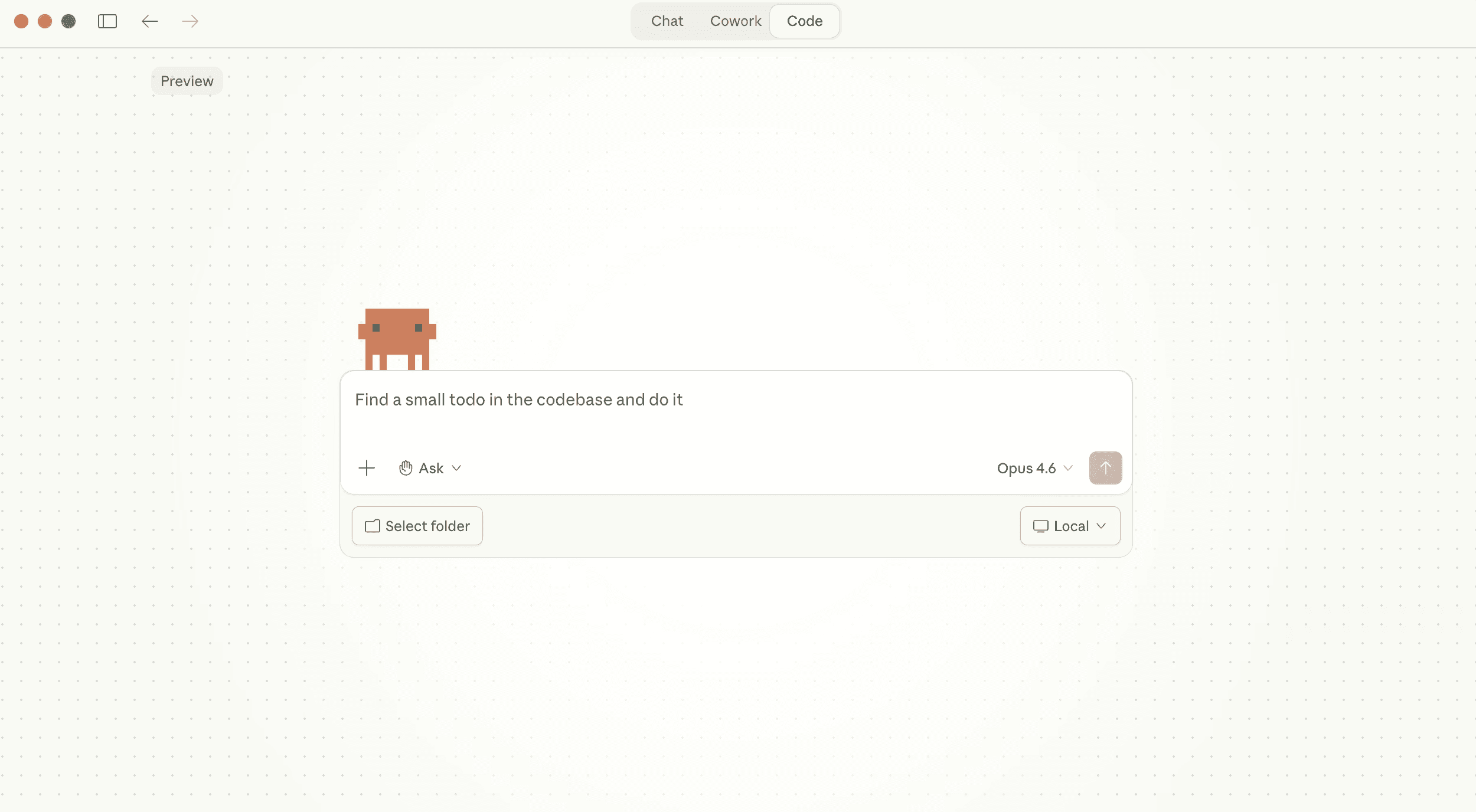
Your team builds the prototype itself with Codex or Claude Code and directly sees how precisely AI requirements need to be formulated. Requirements must be clearly defined. This is one of the most important insights of the sprint. This trains the team in daily use in their own workflow, with their own data.
Your team uses AI coding tools like Claude Code to build the prototype themselves — without programming knowledge, without an external agency. This fundamentally changes the dynamics in your company:
Stakeholders see real results
A demo convinces in 10 minutes what a presentation takes months to achieve. Budget approvals happen faster.
Your team becomes an internal champion
Whoever builds something themselves believes in it and carries it forward. The knowledge stays in the company not with the consultant who leaves after the project.
AI expertise as a lasting value
Your team learns to use AI tools productively. This is not a side effect of the sprint it is a standalone business value.
Results
Concrete, immediately usable result. No presentations without substance. No concept gathering dust in a drawer.
At least 4-8 identified AI use cases, evaluated by potential, effort and strategic relevance.
Each use case was checked with your IT for data availability, and possible system integration and security were discussed.
Built by the team, for the team, with modern AI tools. No external developer, no dependency. The result belongs to you. The knowledge stays in the company.
Your team has learned to apply AI tools and can put that knowledge to use directly in day-to-day business, explore new use cases and develop them.
A concrete roadmap with next steps so the sprint doesn't end at the prototype stage but creates real impact.
Duration:
~7
working days
From the first idea to a working prototype. In a few weeks instead of months.
Is this right for you?
The Sprint is a versatile solution, built for exactly one type of company.
Mid-market company with 50–5,000 employees
You want to use AI, but don't know where yet
Your technical contact person or internal IT is super busy already
You are looking for a structured, low-risk AI entry point
You don't want a permanent dependency on external consultants
What participants say
"I was able to bring David H. on board as workshop leader for several workshops with my very heterogeneous team. And it was worth it. It was important to me beforehand that we set clear goals and expectations to ensure the focus and effectiveness of the workshops."
DP
Daniel Pott
Service Line Manager
More Happy People
Real experiences from AI workshops and sprint projects.
"David does a great job at organising AI-oriented workshops and facilitating discussions, problem definition and sprint design. Also does a great job at moderating discussions when they derive too much from the set goal!"
DL
Dorian Lagadec
Freelance Data Scientist
"The workshop with David got my colleagues and me on the same page in no time and enabled us to continue working independently on our questions afterwards. All in a relaxed atmosphere and with lots of laughs!
AW
Annabelle Woltering
Sustainability | Communications
"I had the pleasure of working with David on a large-scale AI project involving long-term planning, multiple stakeholders, and substantial technical complexity. What stood out to me most was his ability to bring order to chaos in his planning workshops, to turn broad, sometimes fragmented discussions into clear, structured, and actionable plans."
"Unlike many PMs or moderators, David genuinely understands the technical side — because he actually can code. That includes hands-on familiarity with modern AI and large language models, which gives him a deep appreciation of both the possibilities and constraints of current technology. David combines technical literacy, organisational excellence, and strong interpersonal skills to keep complex initiatives focused and moving forward."
DF
Dominik Filipak
AI/CV Expert · Perelyn
PoC with running code,
Implementation plan
Prior technical knowledge needed
High
Source: Bitkom, Microsoft, HR Report; Beratungskosten gemäß Branchenrichtwerten DE 2024/25
What comes next?
After the sprint you know what you want to build and have proof that it works. This gives you the foundation for the next step.
Step 1
AI Design Sprint
Your team finds the right AI use case, builds a running prototype and leaves the sprint with a concrete roadmap.
~1 week · You're part of it
Step 2
Implementation MVP
A lean team of external AI specialists and internal makers builds an MVP from the PoC to test the application with real data and users.
With internal team and partner
Step 3
Next Use Case
Your team is now ready to run their own design sprint for the next use case.
Mit internem Team
N ext Step
Book a 30-minute Discovery Call or write to us directly. We
will check together whether the AI Design Sprint is right for your company.
Book a Discovery Call
30 minutes, free of charge. Select an appointment directly.
Book an appointment
Or write to us
We'll reply within one business day.
30 minutes, no obligation. If the sprint isn't right for your situation, we'll say so and recommend what or who could help instead.
Frequently asked questions
What company size is the sprint suitable for?
The sprint is ideal for mid-market companies with 50 to 5000 employees. More important than size is that you have an open mind and you are willing to change things.
Do we need prior technical knowledge?
No. The sprint team doesn't need any programming background. We work with modern AI tools that can be used without coding experience. However, we do need a technical contact person at your company for the TechCheck and PoC data provisioning.
How is this different from traditional management consulting?
Traditional consulting delivers a presentation at the end. The AI Design Sprint delivers a working prototype built by your team with tangible AI know-how and an implementation roadmap for the next step.
What happens if a use case is not technically feasible?
That's exactly why the TechCheck exists in phase 4, directly before building. If a use case isn't feasible, we switch to the next best one from the prioritised long list. So you don't waste time on projects that would fail anyway.
Do we work remotely or on site?
We highly recommend an in-person event for steps 1–3 and 5, as group work benefits from personal contact. Phase 4 (TechCheck) can be conducted remotely.
What happens after the sprint?
At the end of the sprint you have a coded prototype and an implementation roadmap. You decide what happens next. Many teams move straight on to another use case, while we help find external service providers to handle production grade implementation of the first use case. Your own IT team is often already at capacity.
Couldn't find your question?
Book your free Discovery Call now. 30 minutes, no sales pitch. We'll check
together whether the AI Design Sprint suits your situation.